Chenglin Li: Shaping New Forms of Creative Technology
Chenglin (Clover) Li is a computational artist, designer, and entrepreneur whose interdisciplinary practice explores the intersection of emerging technologies, algorithmic systems, material innovation, and human experience. She holds degrees from New York University and the University of California, Berkeley, and has worked with global technology companies including NOV and SLB. Her practice spans computational art, wearable design, digital media, sustainable innovation, and product design.

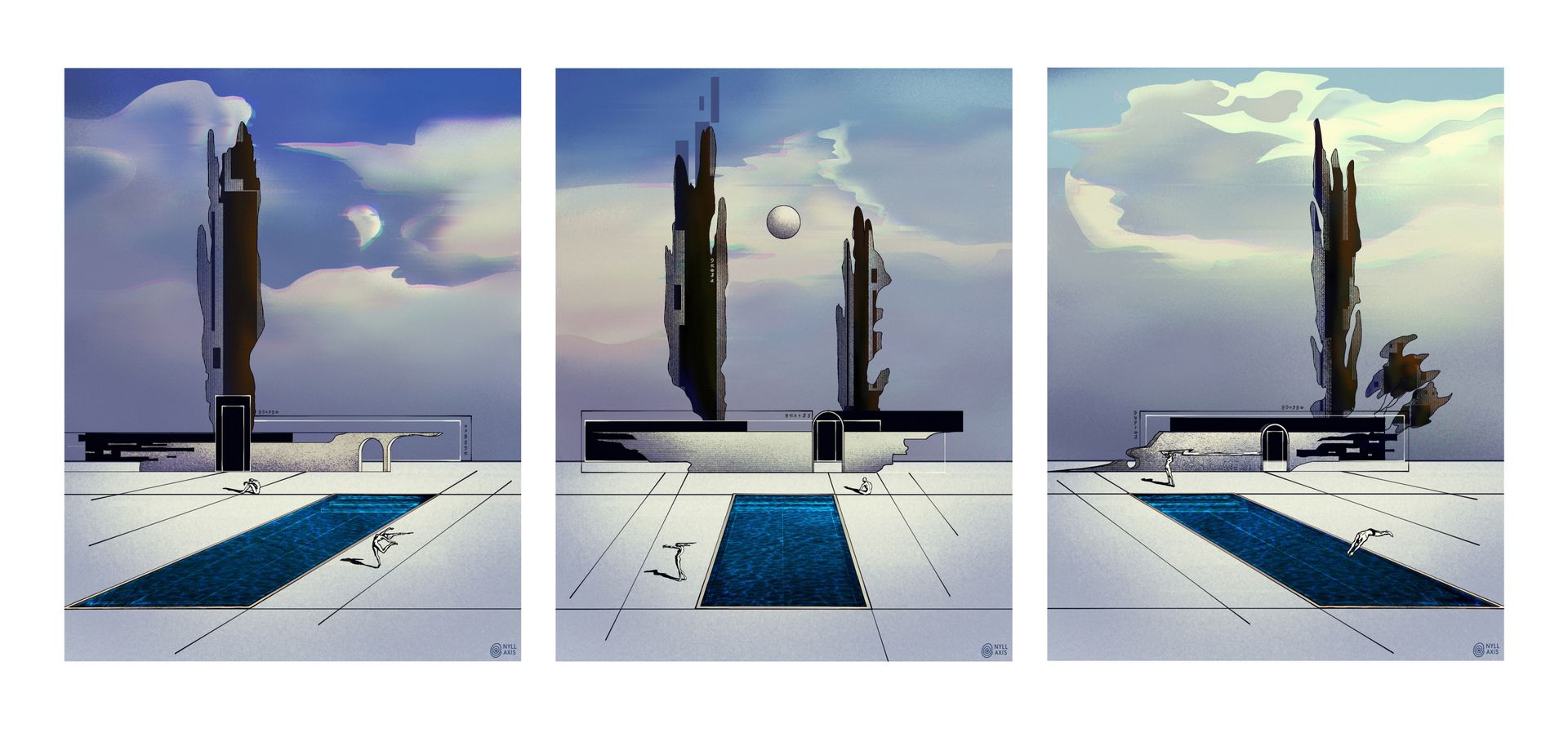
Among Li’s computational artworks, Algorithmic Genome represents her exploration of emergence, evolution, and complexity through code-based systems. The project consists of generative visual compositions that evolve through algorithmic relationships rather than predetermined outcomes. Vibrant fields of magenta, cyan, and electric blue form dynamic ecosystems that appear simultaneously digital and organic. Algorithmic Genome has been exhibited internationally at Artexpo New York, Palazzo Albrizzi-Capello in Venice, CICA Museum in South Korea, Halle des Blancs Manteaux in Paris, Casa Cava in Matera, Dodomu Gallery in Brooklyn, and Gallery NAT in London.

Li's interest in transformation extends beyond digital systems into material innovation through MELTING, a collaborative project recognized with the prestigious Red Dot Design Award. Inspired by East Asian perspectives on life, death, and memory, MELTING develops a zero-waste knitwear system that integrates water-soluble lace and embroidery into knitted structures, allowing garments to transform between sculptural silhouettes and body-conforming forms through a controlled water-dissolution process. The work was exhibited at the Carrousel du Louvre in Paris and will be exhibited at the Red Dot Design Museum Singapore beginning October 15, 2026. Through MELTING, Li explores the intersection of material engineering, sustainability, cultural narratives, and adaptive fashion design.

In the field of digital experience design, iTranquil demonstrates Li’s commitment to creating technology that enhances emotional well-being. Recognized with a Creative Communication Award (C2A) and a Gold Vega Digital Award, iTranquil was developed in collaboration with the Jacobs Institute for Design Innovation and BMW Group. The project reimagines the driving experience by introducing calming digital interactions that reduce stress and promote mindfulness.

Another example of this human-centered approach is Sofar, an award-winning project recognized by the International Design Awards (IDA). Sofar examines the subtle relationship between people, environments, and technology, seeking ways to create more supportive and meaningful interactions. By combining thoughtful design research with practical innovation, Sofar proposes alternative approaches to how individuals engage with their surroundings. The project was exhibited at Golden Duck Gallery in Budapest, further extending its international reach and demonstrating Li’s ability to bridge design, technology, and social impact.
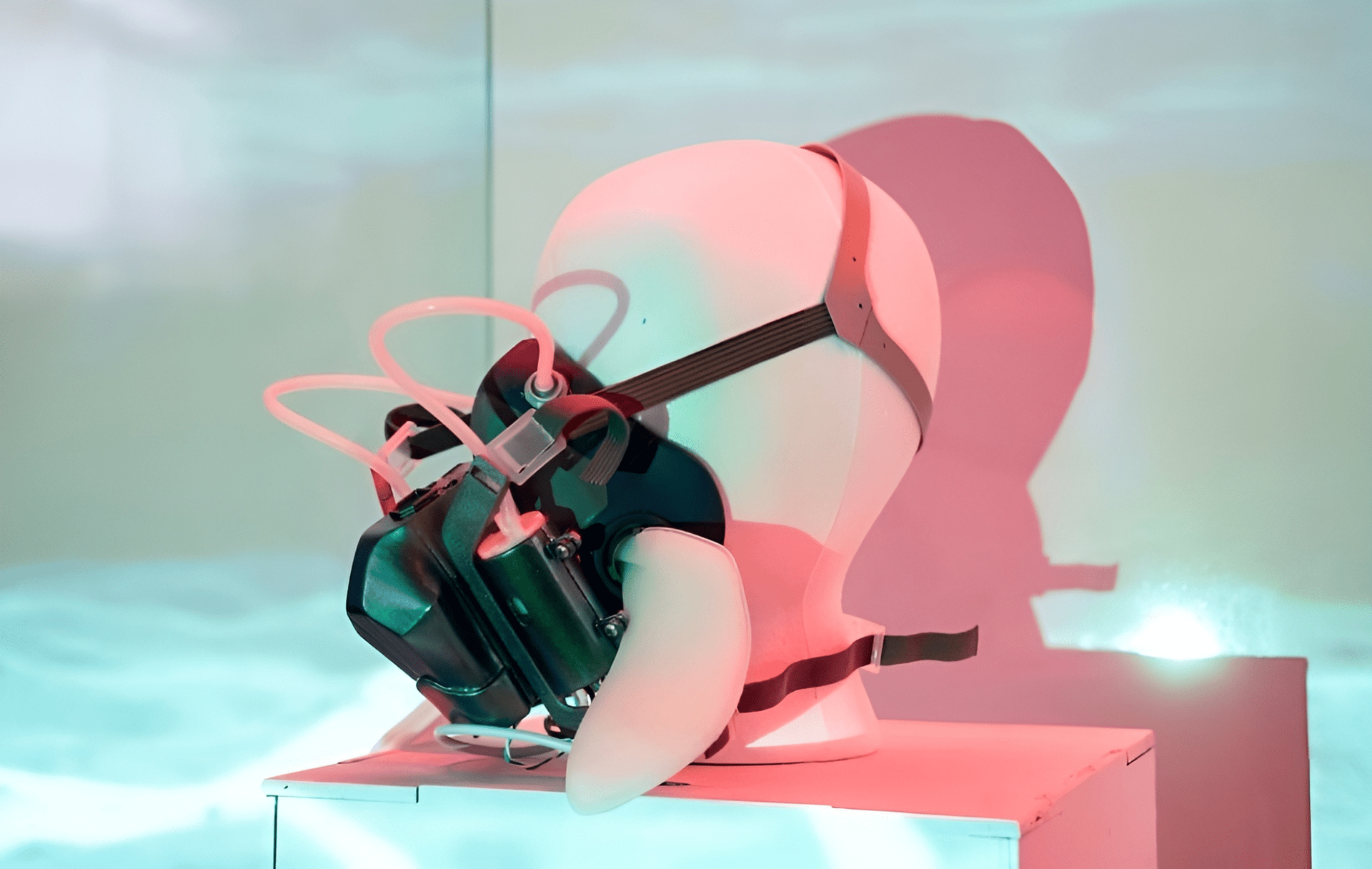
Environmental awareness is a recurring theme throughout Li’s practice, particularly in OceanLung, a speculative wearable installation recognized by the Grand Prix du Design Paris, MUSE Design Awards, London Design Awards, French Design Awards, European Product Design Awards, and New York Product Design Awards. OceanLung translates the invisible crisis of ocean deoxygenation into a tangible physical experience. The wearable restricts breathing in response to real environmental data, allowing participants to experience the consequences of declining oxygen levels firsthand. Exhibited at Boomer Gallery near London’s Tower Bridge, the project transforms scientific information into an immersive and emotional encounter. This investigation of breathing as an interface continues in Breezy, an iF Design Award-winning respiratory training device designed to support children recovering from asthma and respiratory illnesses. Together, OceanLung and Breezy demonstrate how design can transform breathing from a biological necessity into a powerful medium for communication, education, and empathy.
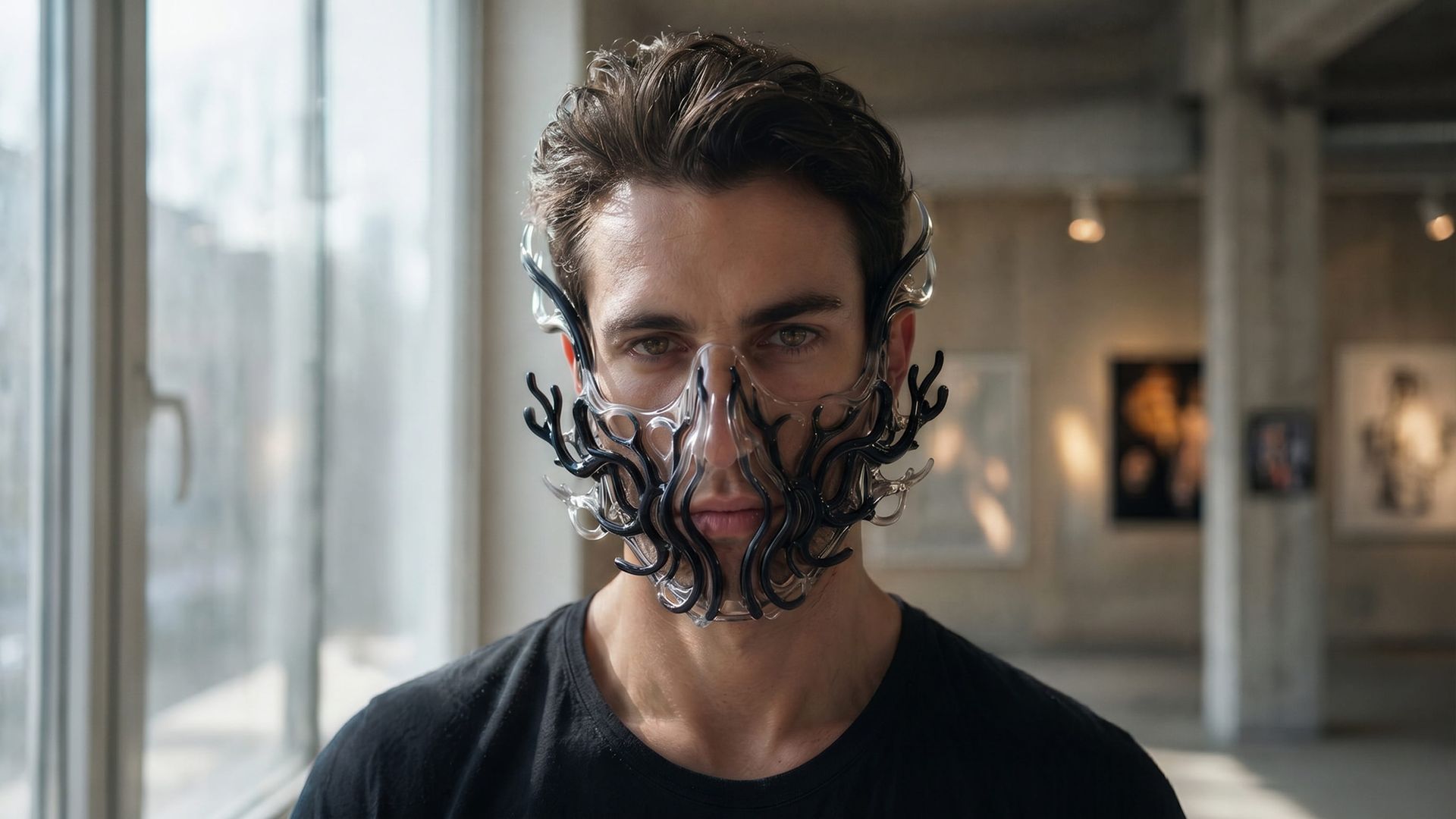
Complementing these projects is Post-Human Bloom, a 3D-printed wearable sculpture that explores the evolving relationship between humanity, technology, and ecology. Drawing inspiration from organic growth patterns, biological adaptation, and speculative futures, the work presents a vision of hybrid identities emerging within increasingly technological environments. Through Post-Human Bloom, Li examines the relationship between environmental change, technological integration, and emerging forms of human-machine identity.
Get in Touch:
LinkedIn: https://www.linkedin.com/in/liclover/
Email: cloverli@berkeley.edu